Shandel Sutherland • March 24, 2023
The Truckhaven Trail: A Road Built by the People
Share

How the Homesteaders of Borego Valley Built a Historic Road
As a resident of Borrego Springs, I’ve always been fascinated by the history of our community. One aspect of our history that often gets overlooked is the Truckhaven Trail, a road built by the homesteaders of Borego Valley in 1930.
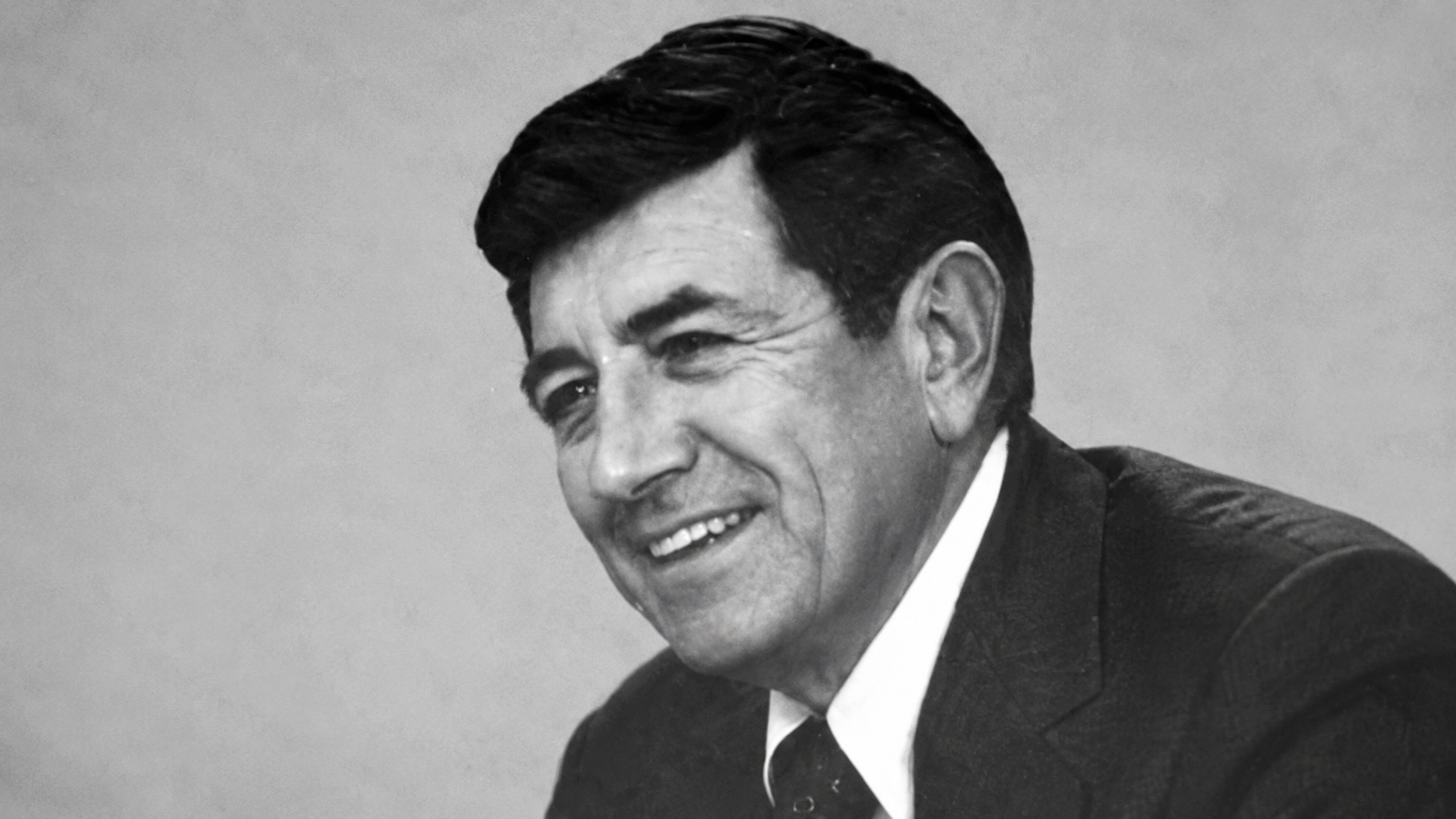
Doc Beaty: Pioneer of Borego Valley and Leader of the Truckhaven Trail
Alfred Armstrong Beaty, affectionately known as “Doc,” was one of the best-known pioneers of Borego Valley. He arrived in the valley in 1912 and quickly made a name for himself as a hardworking and innovative homesteader.
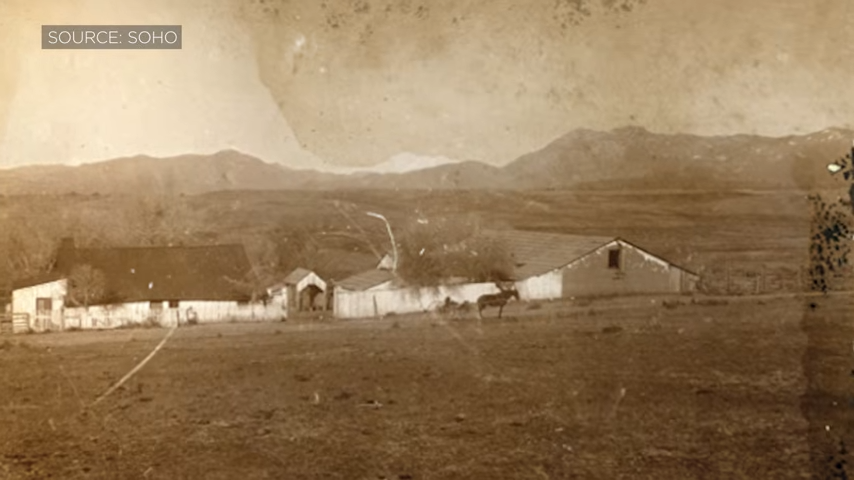
Doc built a homestead at the mouth of Coyote Canyon, which was located across from the airport. He became known for his success in agriculture and built an irrigation system for his canyon ranch where he grew alfalfa and onions.
In addition, he also experimented with growing pecans on his valley ranch.
However, Doc is perhaps best known for his leadership in the drive to build the Truckhaven Trail in 1929-1930. He saw the need for a road into the valley and was instrumental in rallying the community to build it themselves when the County of San Diego refused to help.
The Origins of the Truckhaven Trail (Doc Beaty Road)
In the late 1920s, local ranchers had been trying to get the County of San Diego to build a road into the valley. When their pleas were ignored, they decided to take matters into their own hands. The closest paved road was Highway 99 (now Hwy. 86) along the shores of the Salton Sea, so that’s where they decided to go.
Plans for the road were laid late in 1929, and in January 1930, the Borego Valley Chamber of Commerce voted to back the project. Funds were raised and volunteers recruited, and work began early in 1930.
Eddie DuVall, Glen DuVall, and their uncle Gilbert Rock were among the many volunteers who helped Doc Beaty build the Truckhaven Trail in 1930. The trio was well-known in the community for their hard work and dedication.
The Building of the Truckhaven Trail
As the road stretched further and further out across the Borego Badlands, a construction camp was established in Arroyo Salada, near 17 Palms, so that the men would not have to come all the way back to the valley each night. The local women took turns cooking for the road crew.
The road was mostly built by hand, with the use of simple metal scoops called Fresnos. When the crew reached the Imperial County side, they had to navigate deep washes, which they bridged. The road cost about $750 to build, with a remaining deficit of $26.60.
On June 22, 1930, a barbeque was held at Doc Beaty’s ranch at the mouth of Coyote Canyon to celebrate the completion of the road. More than 100 people attended.
Doc’s determination and hard work were instrumental in the success of the project. He used his expertise and knowledge to help grade the road, construct bridges over the washes, and navigate the difficult terrain of the Borego Badlands.
Thanks to Doc’s leadership and the efforts of many others, the Truckhaven Trail became a reality. Today, it stands as a testament to the ingenuity and determination of the early pioneers of Borego Valley.
Life on the Truckhaven Trail
Life on the Truckhaven Trail was not easy, even after the road was built. The trail was slow and rough, and its condition was often impacted by the weather. During rainstorms, parts of the road would quickly wash out, making travel even more difficult.
In fact, the road’s condition was often so precarious that locals sometimes had to use alternate routes to get where they needed to go. Despite these challenges, the Truckhaven Trail was a lifeline for the homesteaders who lived in the remote Borego Valley. It connected them to nearby towns and cities, allowing them to access essential supplies, medical care, and other services.
Despite its limitations, the trail also served as a means of exploration and adventure for those who traveled it. As the Borego Valley correspondence in the Ramona Sentinel noted in 1930, the region opened up by the Truckhaven Trail had been traversed by very few people. The trail provided access to natural resources and scenic grandeur, encouraging locals and visitors alike to explore the beauty of the area.
Today, the Truckhaven Trail is no longer in use, having been replaced by modern roads. However, its legacy lives on in the history of the Borego Valley and the resilience of the pioneers who built and traveled it.
The Legacy of the Truckhaven Trail
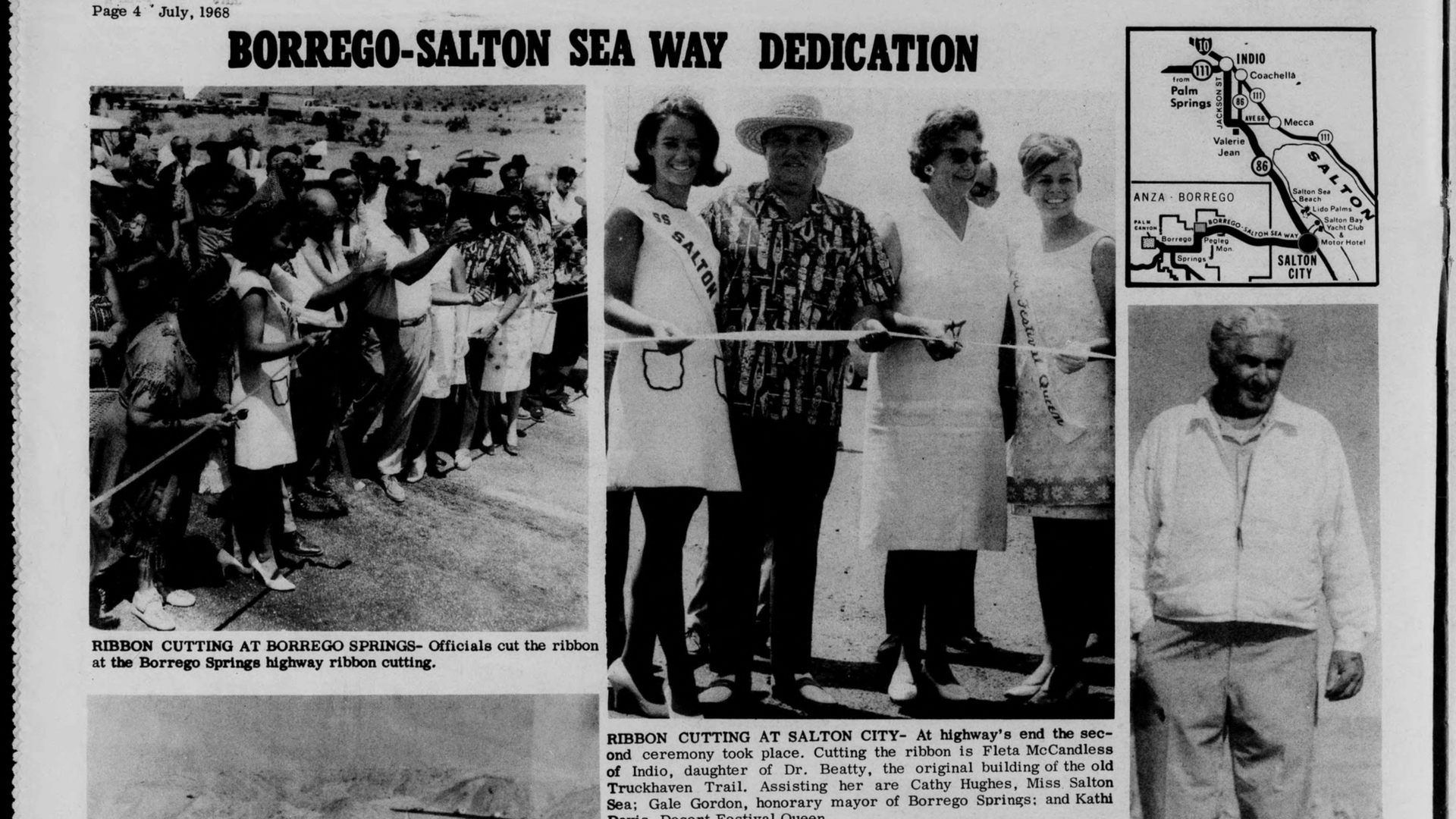
Two years later, Highway 78 was completed south of the valley, and in 1934, the Yaqui Pass Road was built to shorten the distance even more. The Truckhaven Trail soon fell into disuse and disrepair. Still, it was not until 1968 that the current Borrego-Salton Seaway (S-22) was built to replace it.
Today, the Truckhaven Trail serves as a reminder of the tenacity and ingenuity of the homesteaders who built it. The road may not be in use anymore, but its legacy lives on.
They built a road when no one else would, and in doing so, they opened up a new world of possibilities for themselves and their community.
Where Is The Truckhaven Trail?
The Truckhaven Trail is located in Southern California, near the Borrego Springs area. To reach the trailhead, take the S22 highway and head towards Salton Sea. Look for signs directing towards Truckhaven Trail or the Ocotillo Wells State Vehicular Recreation Area. The trailhead is located off of Split Mountain Road.
It’s recommended to check your map program, current road conditions, weather, and any other pertinent information before embarking on any outdoor adventure.
Learn More About Borrego Springs