Borrego Springs Local • January 5, 2023
Exploring the Desert Lily of Anza-Borrego State Park
Share
Explore the Resilient Beauty of the Desert Lily: Survival Strategies, Habitat, and Interactions in Anza-Borrego's Arid Terrain
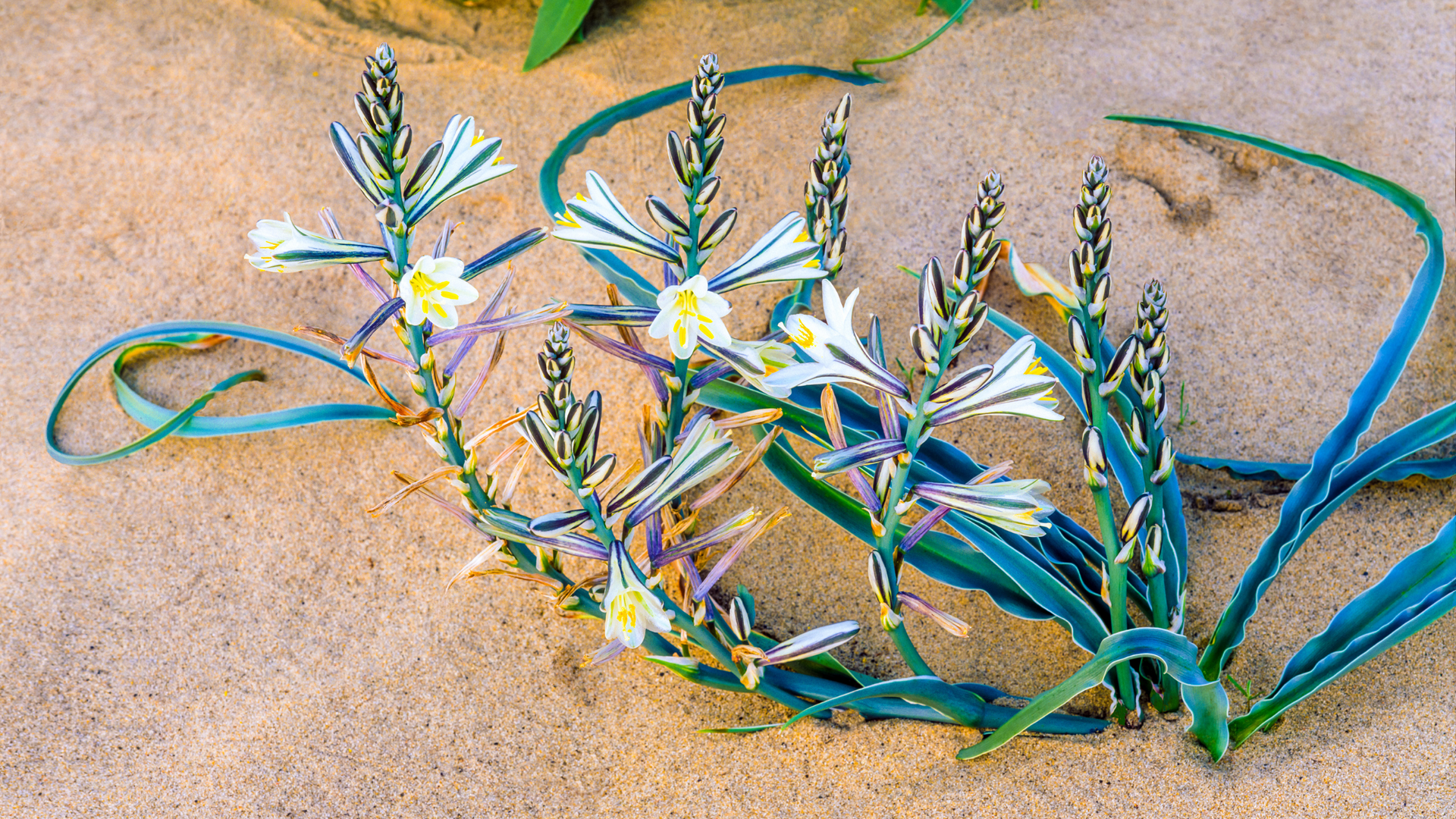
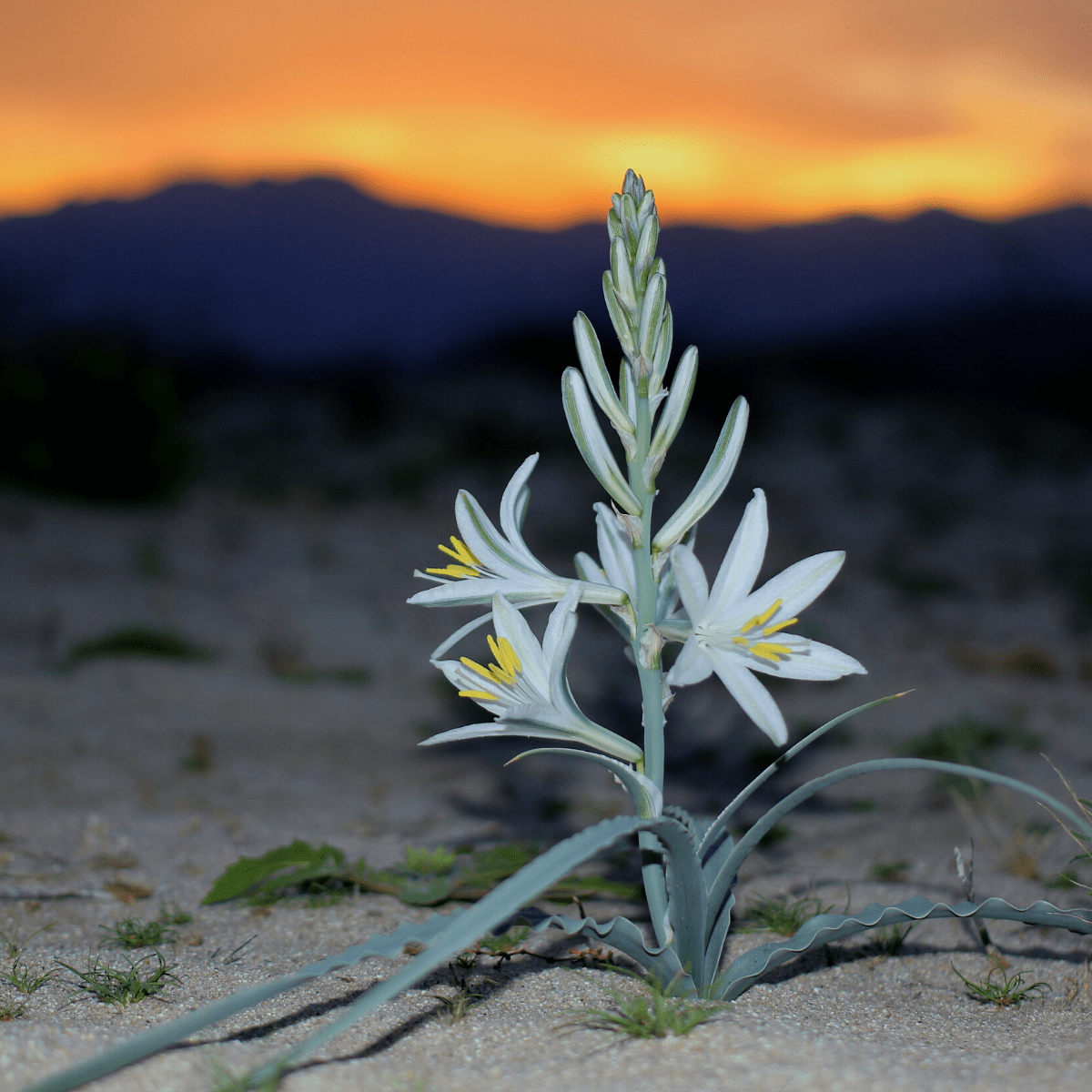
The desert lily (Hesperocallis undulata) is a stunning wildflower native to Anza-Borrego State Park, known for its resilience in harsh desert environments and its distinctive beauty. This blog post delves into various aspects of the desert lily, exploring how it survives in tough conditions, its edibility, its habitat within the park, and its interaction with local wildlife.
How does the desert lily survive in harsh desert conditions?
The desert lily, or Hesperocallis undulata, has several unique adaptations for desert survival. Its bulb, a modified stem, stores water, helping the plant endure prolonged droughts. This bulb also shields the plant from extreme temperatures and high winds. Additionally, the desert lily's deep roots, extending up to 6 feet underground, access deep water sources and stabilize the plant in sandy, rocky soils. The leaves, fleshy and succulent, minimize water loss by closing stomata during the day and are covered in a waxy cuticle.
Is the desert lily edible?
Despite its beauty, the desert lily is not edible. It contains lycorine, a toxic compound found in all plant parts, including bulbs, leaves, and flowers. Ingesting lycorine can lead to nausea, vomiting, stomach cramps, diarrhea, hallucinations, seizures, and even death. The plant can also cause skin irritation and allergic reactions. While it has some medicinal uses, it should only be used under professional guidance.
Fast Facts About the Desert Lily (Hesperocallis undulata)
- Botanical Identity: The desert lily, scientifically known as Hesperocallis undulata, is a perennial wildflower native to the southwestern United States and northwestern Mexico.
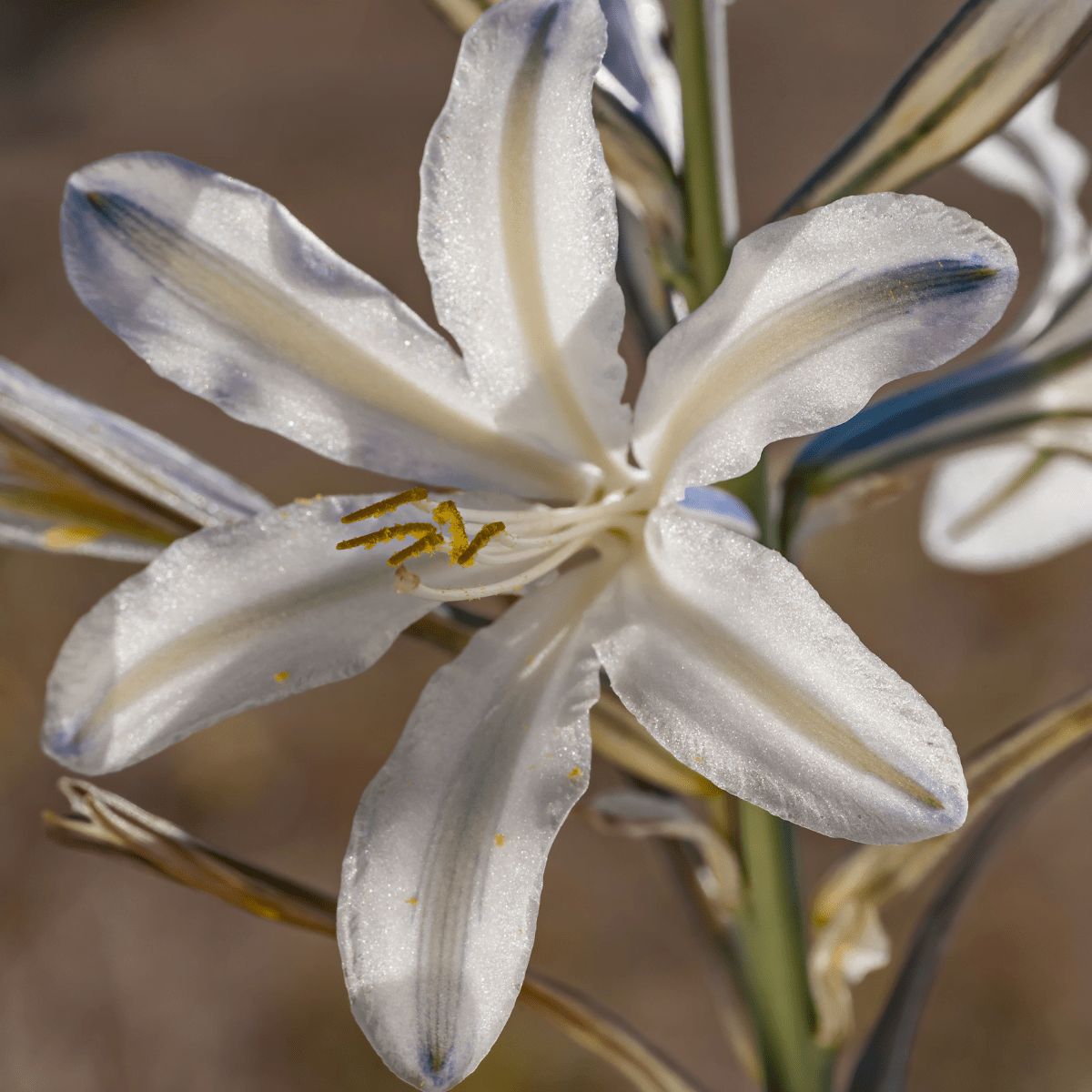
- Distinctive Appearance: It features large, showy flowers, typically white or cream-colored, often with a tinge of green or yellow and a central red or purple spot.
- Bloom Season: The desert lily typically blooms from late winter to early spring, with the peak season often occurring in March and April.
- Habitat: This plant prefers sandy, well-drained soils and is commonly found in desert washes, sandy flats, and rocky hillsides.
- Adaptations for Survival: The desert lily has a deep bulb that stores water, allowing it to survive in arid conditions and prolonged droughts. It also has a deep root system for accessing water from deeper soil layers.
- Height and Structure: It can grow up to 1-2 feet tall, with a stalk emerging from the bulb, topped with the distinctive lily-like flowers.
- Edibility and Toxicity: The desert lily is not edible and can be toxic if ingested, containing lycorine, a compound that can cause nausea, vomiting, and other adverse effects.
- Ecological Role: It provides habitat and food for desert wildlife, including insects and small rodents, although it is not a primary food source due to its limited distribution and toxicity.
- Conservation Status: While not currently listed as endangered, the desert lily's habitat faces threats from urbanization, off-road vehicle use, and climate change.
- Cultural Significance: The desert lily holds a place of beauty and intrigue in desert lore and is a sought-after sight for nature enthusiasts, photographers, and wildflower aficionados during its blooming season in Anza-Borrego State Park.
Where do desert lilies grow in Anza-Borrego State Park?
Desert lilies thrive in the sandy and rocky terrains of Anza-Borrego State Park, particularly in lower elevations. They are commonly found in washes, arroyos, rocky hillsides, well-drained soils, rocky crevices, and along dry wash banks. They bloom in spring, typically from late February to April, depending on weather and rainfall. The sight of blooming desert lilies, with large, showy flowers ranging from white to yellow, is a highlight for nature lovers and photographers visiting the park.
What animals eat the desert lily in the park?
Desert lilies have few natural predators, thanks to their tough leaves and stems and adaptations like closed stomata and waxy cuticles. However, insects like lily beetles, aphids, and thrips, as well as small rodents like kangaroo rats, pocket mice, and desert woodrats, may nibble on the leaves or bulbs. These interactions, though, are not significant threats to the plant's survival.
In conclusion, the desert lily of Anza-Borrego State Park is a fascinating subject for exploration and learning, with its ability to endure in arid conditions, beautiful appearance, and unique characteristics. However, it's important to remember that this plant is not edible and should be admired from a distance.