Shandel Sutherland • November 28, 2024

Support Borrego Sculptor Ricardo Breceda

Share
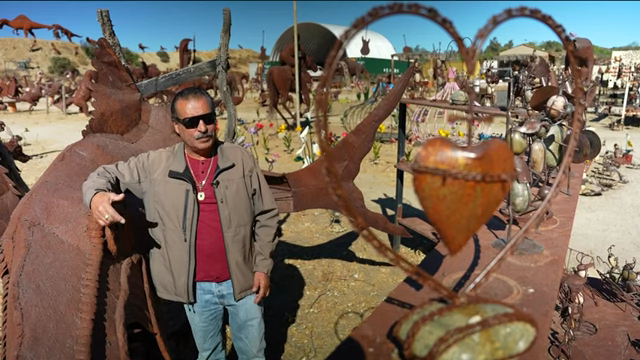
Iconic Artist Offers Discounted Art to Fund Surgery


Ricardo Breceda's Art Gallery

Address: 44450 CA-79, Aguanga, CA 92536

Help make a difference by purchasing his iconic sculptures and supporting his journey to recovery.


Renowned Borrego Springs sculptor Ricardo Breceda, known worldwide for his iconic metal sculptures, is in urgent need of support. Facing major heart surgery without insurance, Breceda is offering his artwork at discounted prices to help fund the life-saving procedure.


The Sculptor Behind Borrego's Famous Artwork


Ricardo Breceda’s massive metal sculptures, including dinosaurs, mythical creatures, vintage jeeps, and the famous serpent at Galleta Meadows, are landmarks that draw visitors to Borrego Springs from across the globe. Families, photographers, and travelers cherish these unique works, which have become synonymous with the Borrego Springs experience and are shared widely on social media and beyond.


How You Can Help


Breceda’s sculptures, displayed across Borrego Springs, have brought joy to countless people. Now, he needs our help. By purchasing his art, available at his gallery in Aguanga (44450 CA-79, Aguanga, CA 92536), you can own a piece of his iconic work and directly support his life-saving heart surgery.


Let’s come together to help this incredible artist who has given so much to Borrego Springs and its visitors worldwide.


Learn More About Borrego Springs

By BSPAC • November 13, 2026
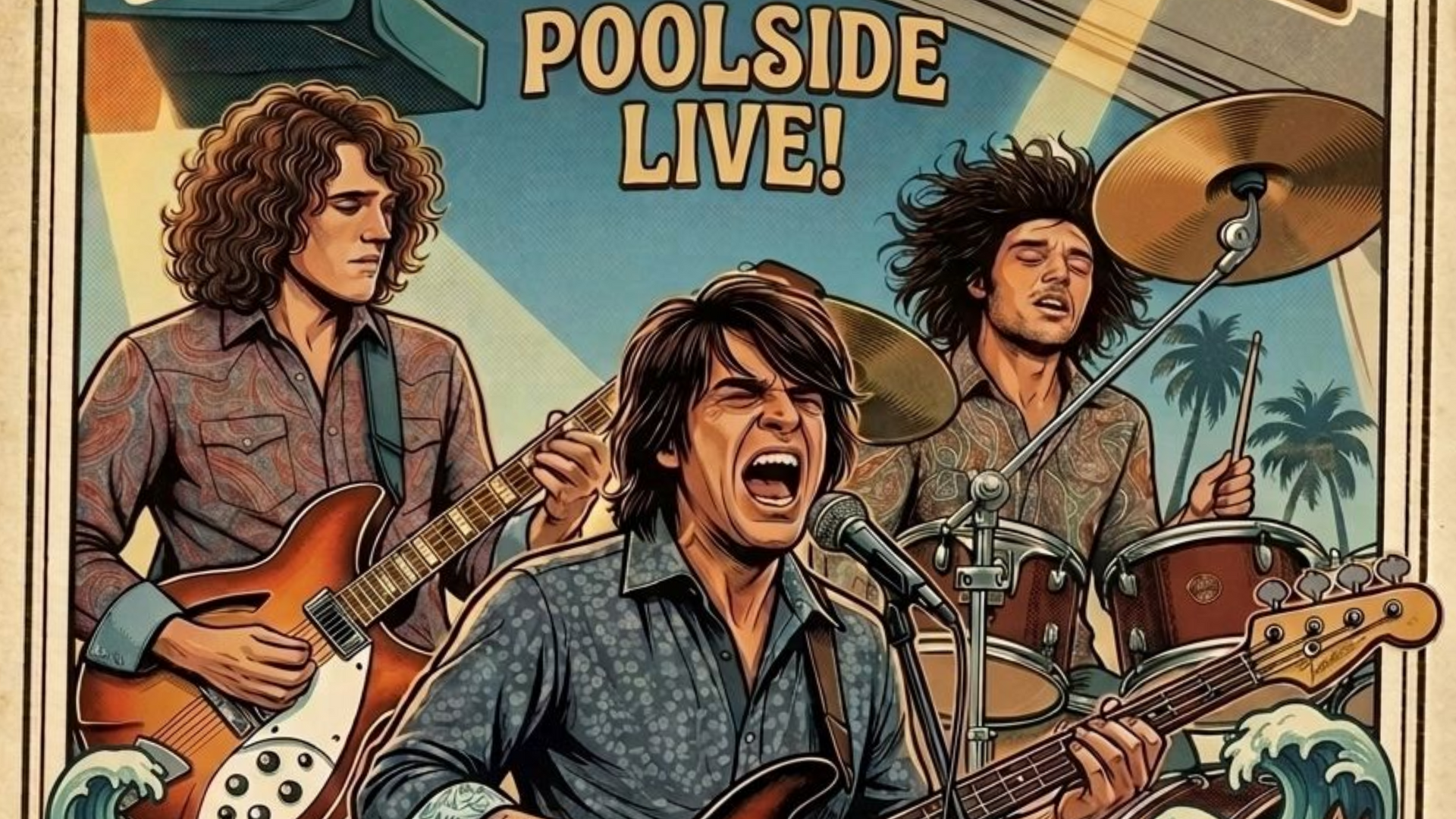
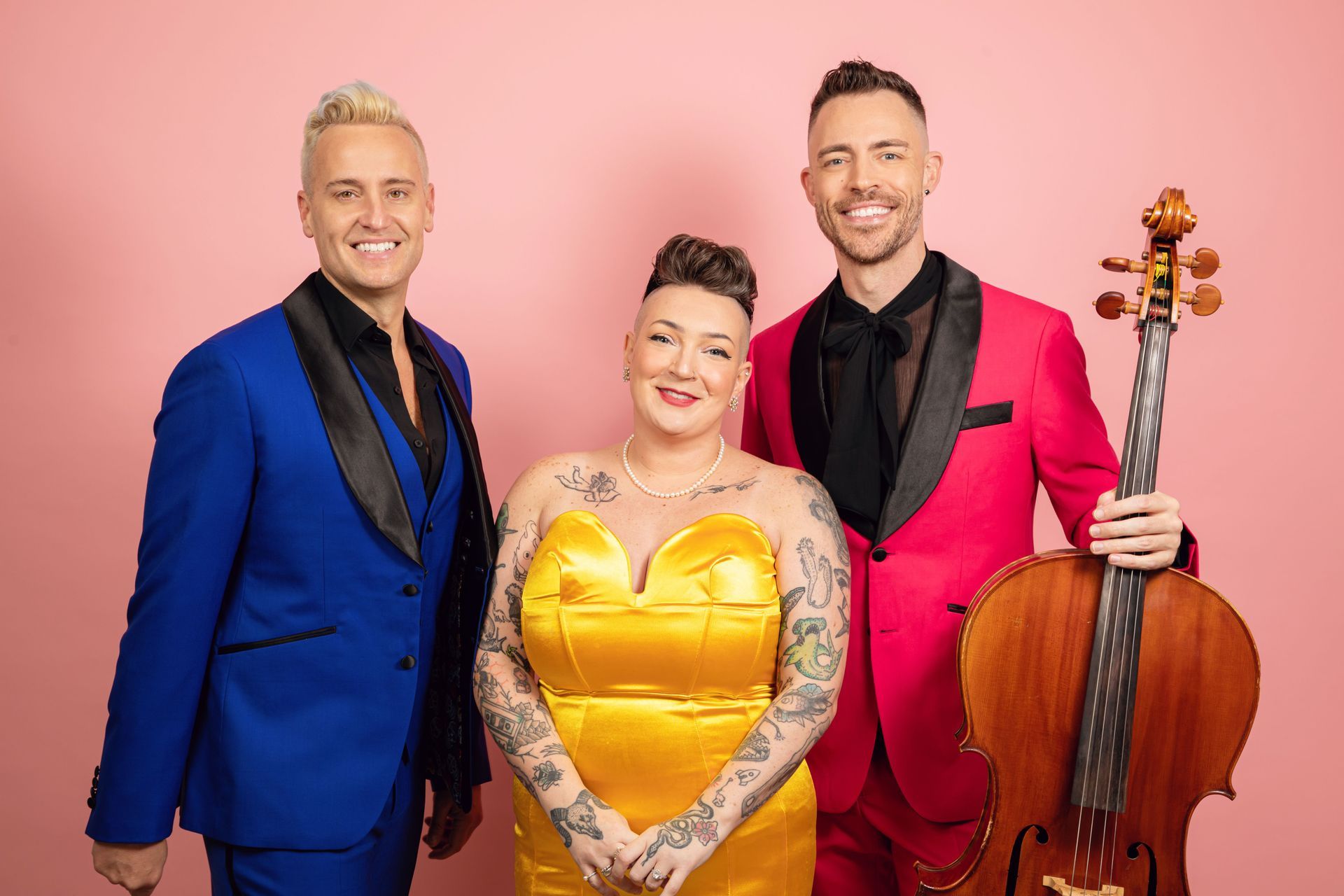
Borrego Springs Performing Arts Center is seeking sponsors for its November 21 fundraiser
By Elizabeth Rodriquez • November 11, 2026
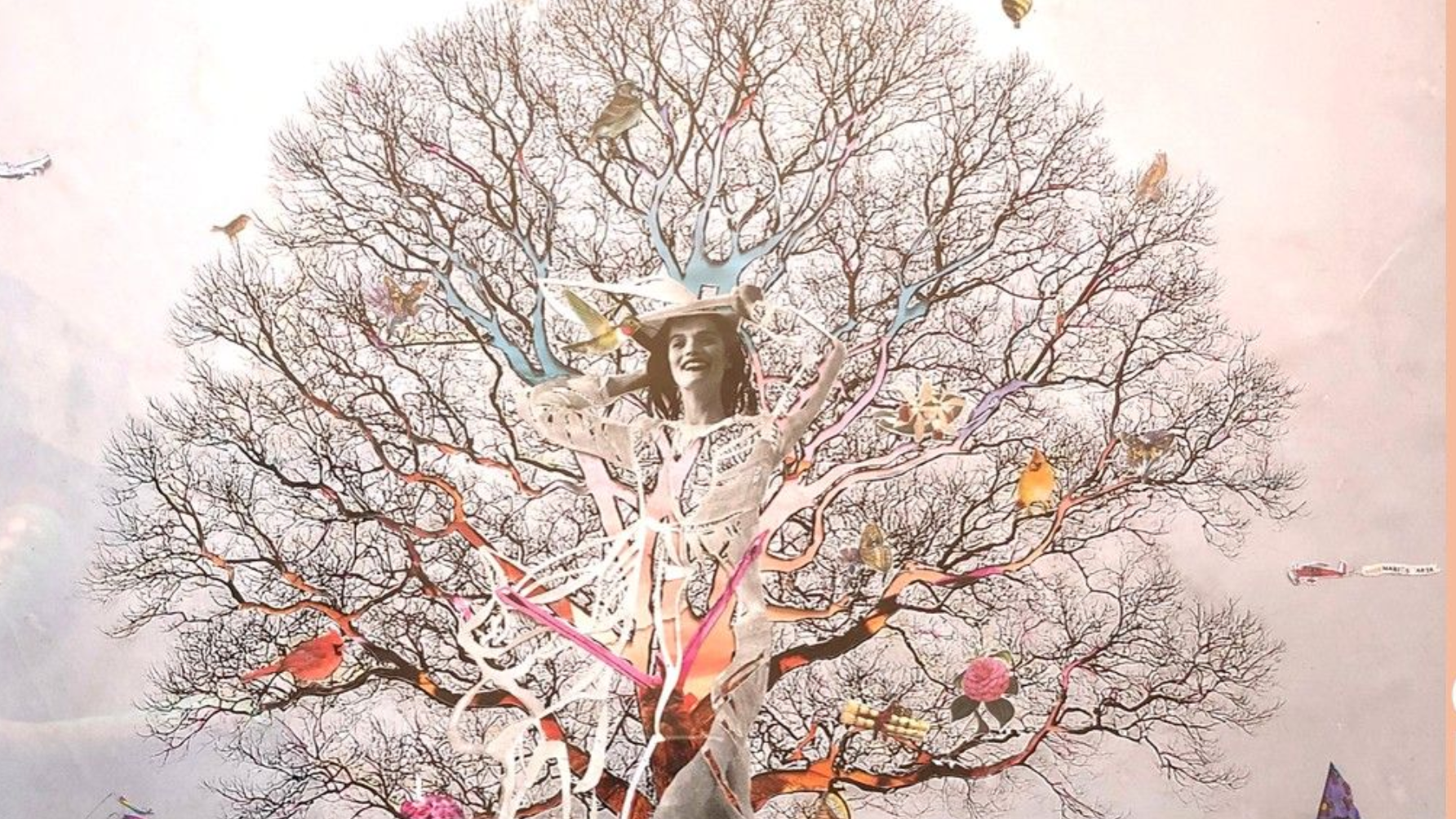
Join the artist ARhAyas PSonn AllureA for ARTTALK on Saturday, November 21 at 3pm at The Gallery at The Palms to converse about his assemblage collages relating to the erasure of Goddess wisdom and its metamorphosis to time present. Refreshments will be served for your enjoyment. The Gallery at The Palms is located at 2220 Hoberg Road, Borrego Springs, Ca. 92004
By Brice Weaver • November 8, 2026
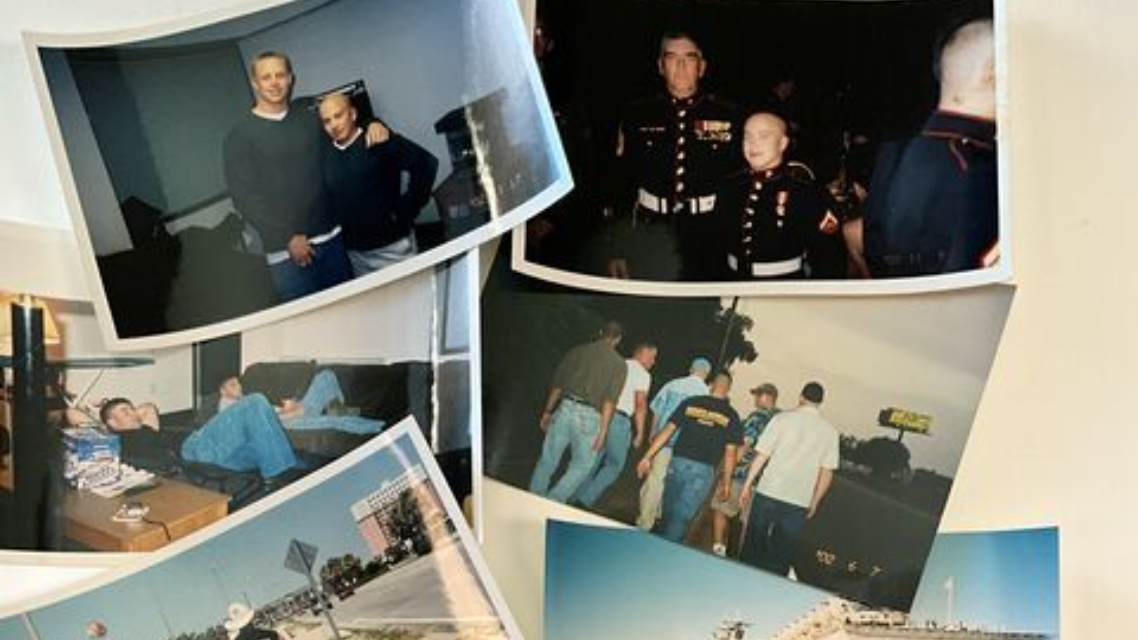
By: Brice Weaver www.briceweaverphotography What happens when a photograph becomes your only memory of something you experienced? I recently came across an Instagram video of a woman looking through photographs with her husband, who had apparently suffered a brain injury affecting his memory. The photographs captured their first dance together. As they looked through them, she gently asked whether he remembered certain moments. I found myself thinking about that video long after watching it. For her, those photographs were connected to experiences she could still remember. For him, they offered a visual record of moments he could no longer recall. We take photographs assuming we’ll remember the moments surrounding them. But what happens when we don’t? What happens when a photograph becomes our only connection to an experience, a person, or a particular time in our lives? And what happens when that photograph has been altered so extensively that it no longer represents what actually occurred? We’re living in a time when artificial intelligence can generate convincing images of events that never happened. Digital editing allows us to remove people, replace backgrounds, alter expressions, and reconstruct scenes until they bear little resemblance to the original moment. Much of the debate surrounding AI-generated imagery focuses on creativity, copyright, and whether these images should even be considered photography. But I think there’s another question we aren’t discussing nearly enough. What happens when the photographs we create today become the memories someone depends on tomorrow? Now Imagine looking through your own photographs decades later, unable to distinguish which details were genuine and which had been added, removed, or generated. Human memory is already imperfect. We forget, reconstruct, and sometimes unintentionally change our recollections. Photographs have traditionally provided an external reference, even if that reference was never entirely objective. If we begin treating every photograph as something to be perfected rather than preserved, what happens to that relationship? That short video brought the issue into a much more human perspective for me. The couple wasn’t discussing photography, artificial intelligence, or photographic ethics. They were simply looking at pictures, trying to reconnect with moments from their lives. You don’t need photographs to show a better version of your life. You need them to show the life you actually lived. We spend so much time asking how to make photographs look better. Perhaps we should spend more time asking what we need them to remember. As AI and digital manipulation become increasingly sophisticated, where do you draw the line between improving a photograph and changing the history it represents? 
Show More
Subscribe for Free Updates!