About the Author: Brice Weaver
Brice Weaver is an award-winning San Diego photographer whose film and digital work explores place, time, and memory through quiet moments in natural and human landscapes.
Brice Weaver • May 28, 2026

By: Brice Weaver
When photography emerged, painting did not disappear, but it undeniably changed. Portrait painters and masters of realism were no longer needed in the same way because photography could document reality faster and more accurately.
Art evolved, but the expectations changed. A painter like Rembrandt or Monet spent years mastering light, form, and observation because there was no alternative. Photography changed the role of painting, and with it, what culture rewarded.
Looking at photography today, I wonder if we are watching a similar shift happen again.
This is not a film versus digital argument. I shoot both. Nor is it an argument against technology. Better cameras and editing tools have expanded what photographers can do.
But we should also ask what those tools may be changing.
Photography once demanded intentionality. You had to recognize light, anticipate moments, understand timing, and know when to press the shutter. As technology advanced, many photographers shifted from intentional decisions in the moment to fixing and shaping images later. Exposure could be recovered. Composition refined. Light reshaped. Moods built in post.
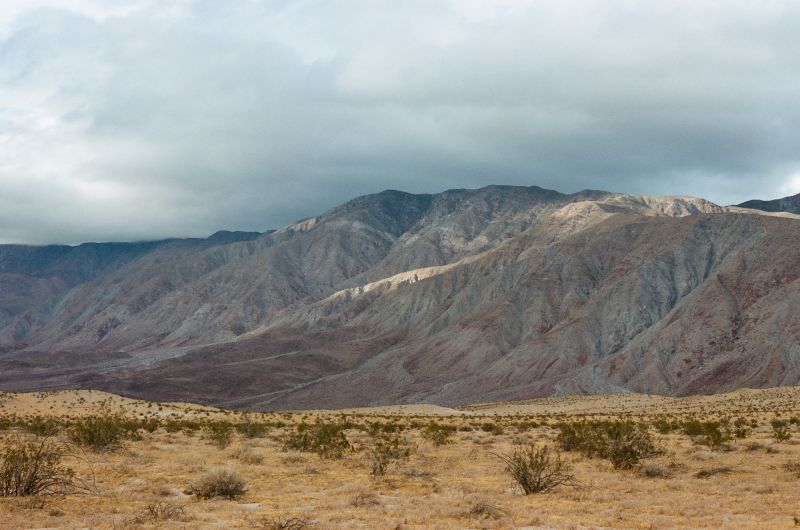
Photographers like Ansel Adams heavily interpreted images in the darkroom, but the essence of the scene remained intact. The mountain was still there. The light existed. Dodging and burning shaped feeling, but the photograph remained tied to a real encounter with the world.
Today, much of what is rewarded by social platforms and even professional organizations is no longer simply photography. Through editing, compositing, and AI-assisted tools, photographers are increasingly building scenes instead of witnessing them.
At what point does a photograph stop being a photograph? And maybe the harder question: at what point does a photographer stop being a photographer and become something closer to a digital artist or graphic designer?
If most of the light is created after the fact, skies replaced, atmosphere added, and moods manufactured, are we still talking about photography in the traditional sense?
My bigger concern is that photographers may be slowly editing themselves out of relevance.
If the profession increasingly rewards manufactured outcomes and visual perfection over patience, then AI becomes the logical next step. Why hire a photographer if the goal is simply a compelling visual result? AI will generate it faster, cheaper, and without travel, waiting, weather, or years spent learning how to see.
Maybe the future value of photography will not come from those who can create the most visually perfect image, but from those who still choose to witness the world rather than manufacture it. Because eventually we may discover that what gave photographs meaning was never perfection, but presence and evidence that a particular moment, place, or truth once existed, and that someone cared enough to see it.
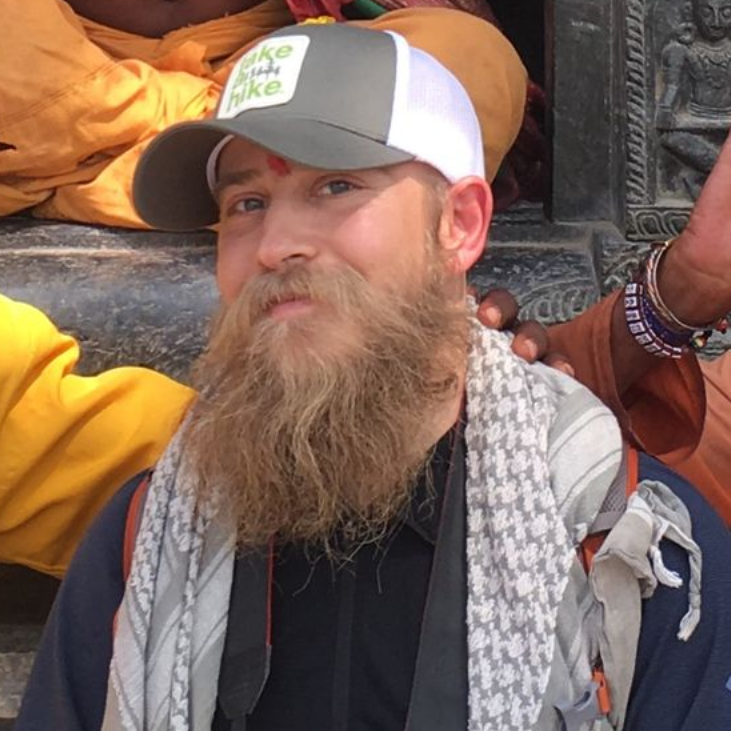
About the Author: Brice Weaver
Brice Weaver is an award-winning San Diego photographer whose film and digital work explores place, time, and memory through quiet moments in natural and human landscapes.

Thanks to Our Community Sponsors
Have a suggestion, question or comment? Let us know.
Andrea McKenna, RAM Media Foundation, Editor & Executive Director
PO Box 2436
Borrego Springs, Ca. 92004
Would you like to become a supporter of RAM Media Foundation? Reach out today!
- Privacy