Andrea McKenna • October 12, 2026
Flashback: When Borrego Grew Gladioli for the West Coast
Share
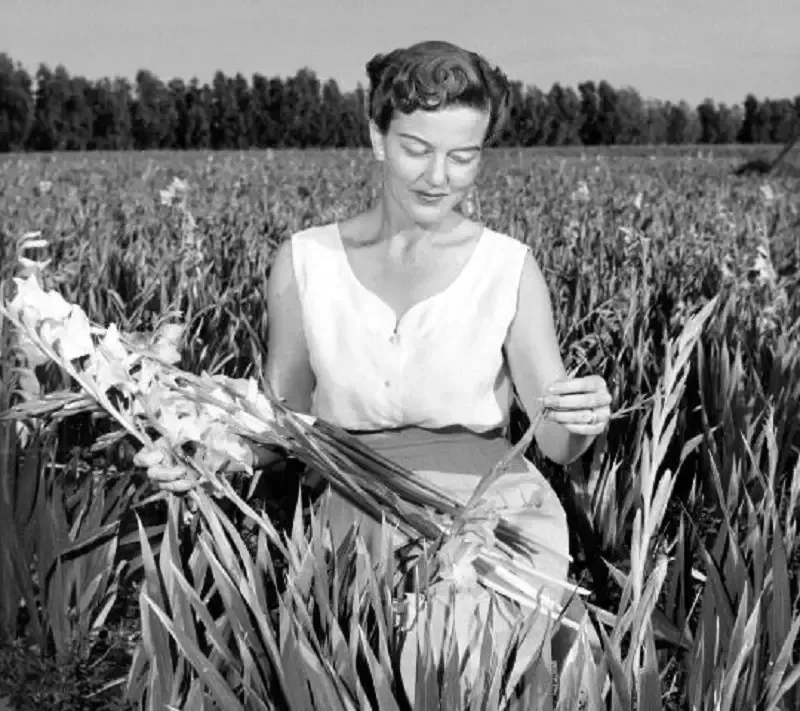
Photo: From the 2015 Borrego Sun online edition, "Borrego Springs - April 1956, Acres Of Blooms"
Charlotte Fortiner stands among the gladioli at the Fortiner Glad Ranch in Borrego Springs in April 1956. This photo from the Borrego Sun archive shows part of the ranch’s crop of 600,000 blooms.
The flowers were headed to florists up and down the West Coast, and the original caption noted they would be the first glads of the season to reach the market.
It’s a striking picture for a desert town. Today most people know Borrego Valley for its grapefruit, palms and wildflowers. But for a time, rows of cut flowers grew here too. The valley’s warm winters let local growers get their blooms to market ahead of the rest of the state.
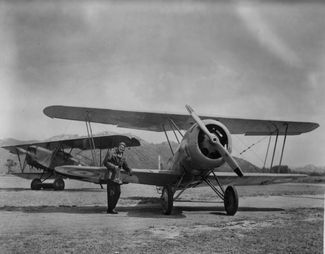
Charlotte and her husband, Sam, were among the families who built Borrego’s farming economy after World War II. Sam once recalled that there “wasn’t much going on in the valley other than dates and cattle” until after the war. The Fortiners bought land in the valley and worked side by side to build their farming business. Both were licensed pilots, and they flew their own small plane over the mountains, a practical way to get in and out of a valley that was still remote.
Charlotte did far more than farm. She raised three sons and kept up a long teaching career. She was the first teacher in Borrego to teach grade school music and art, and she also taught home economics in the local public schools. She was a charter member of the Borrego Art Guild, where she served as president, newsletter editor and in many other roles. In 2002 she was the honoree at the Guild’s 27th annual Festival of Arts.
Charlotte Elizabeth Fortiner lived from 1919 to 2011. In January 2014, The House of Borrego Springs held a show of her paintings and other artwork to honor her as one of the valley’s pioneers.
Learn More About Borrego Springs