Shandel Sutherland • May 5, 2026
Alta Jones DuVall: Borego Valley History
Share
The Adventurous Life of Borego Pioneer Alta Jones DuVall
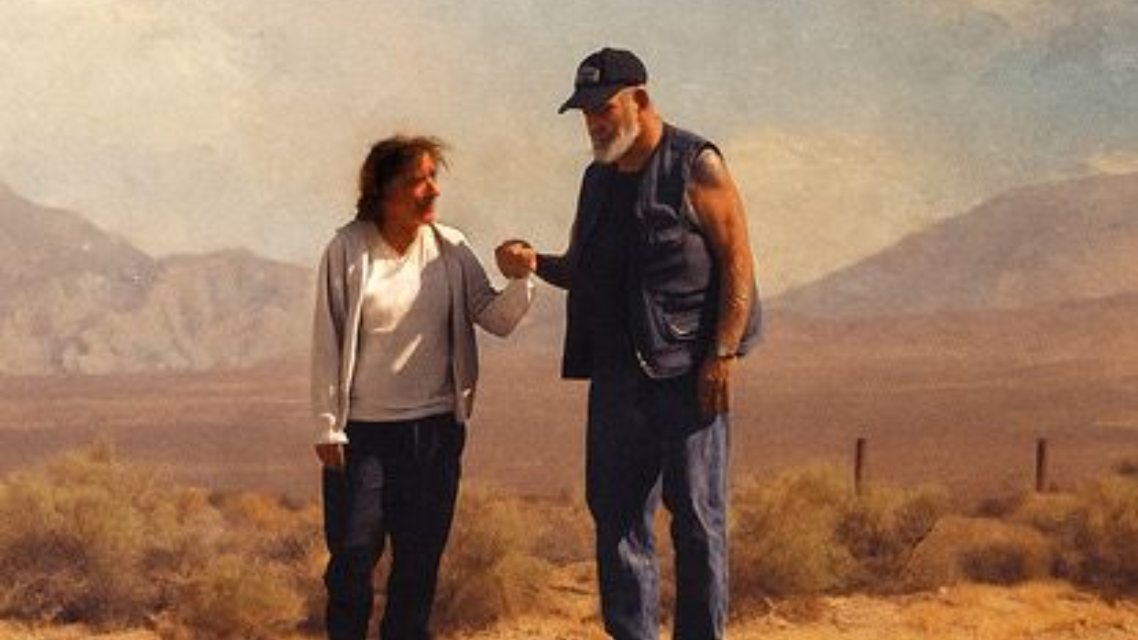
In the heart of the Anza-Borrego Desert lies the historic Borego Valley, known for its beauty and resilience. One notable pioneer, Alta Jones DuVall, significantly contributed to the valley’s development alongside her husband, Eddie DuVall.
Let's explore Alta Jones DuVall’s life, personal journey, and the historical context of Borrego Valley.
Alta’s Early Life and Education
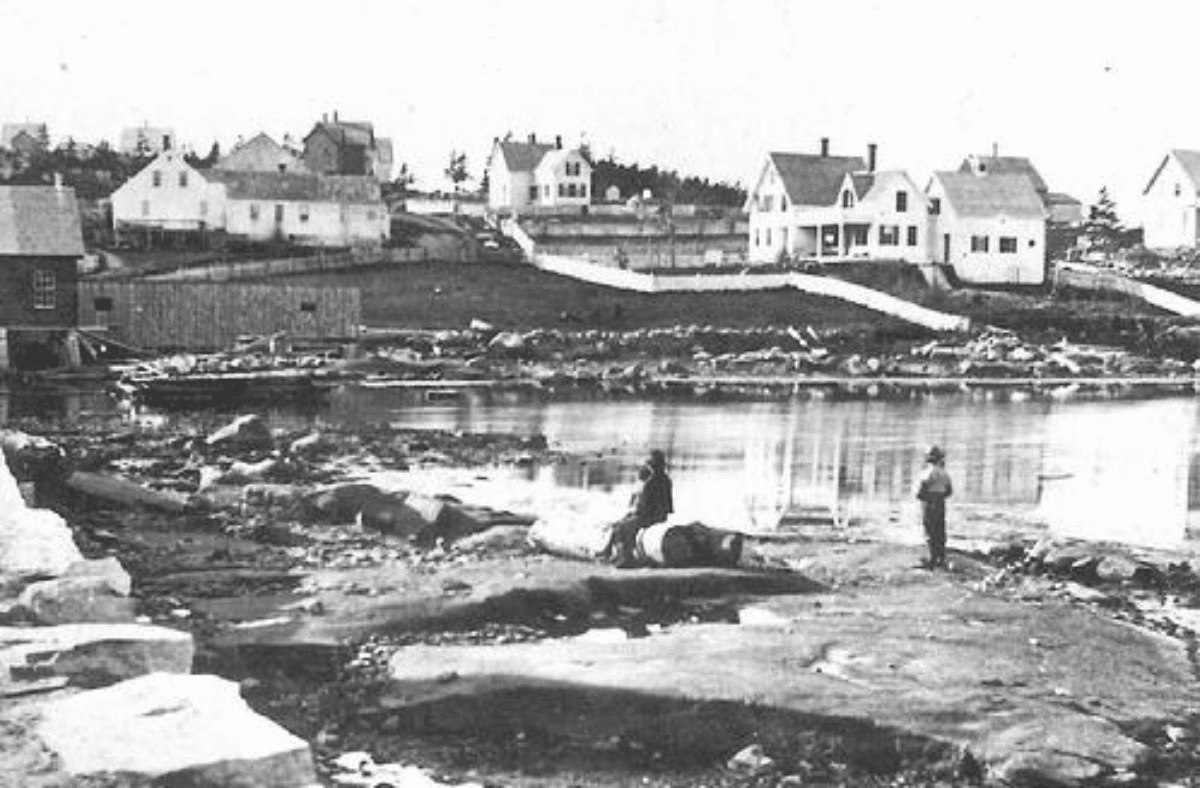
Born in 1896 in Vinalhaven, Maine, Alta Jones DuVall grew up during the granite industry boom. Her parents ran a store on the island, which transformed Vinalhaven’s economy.
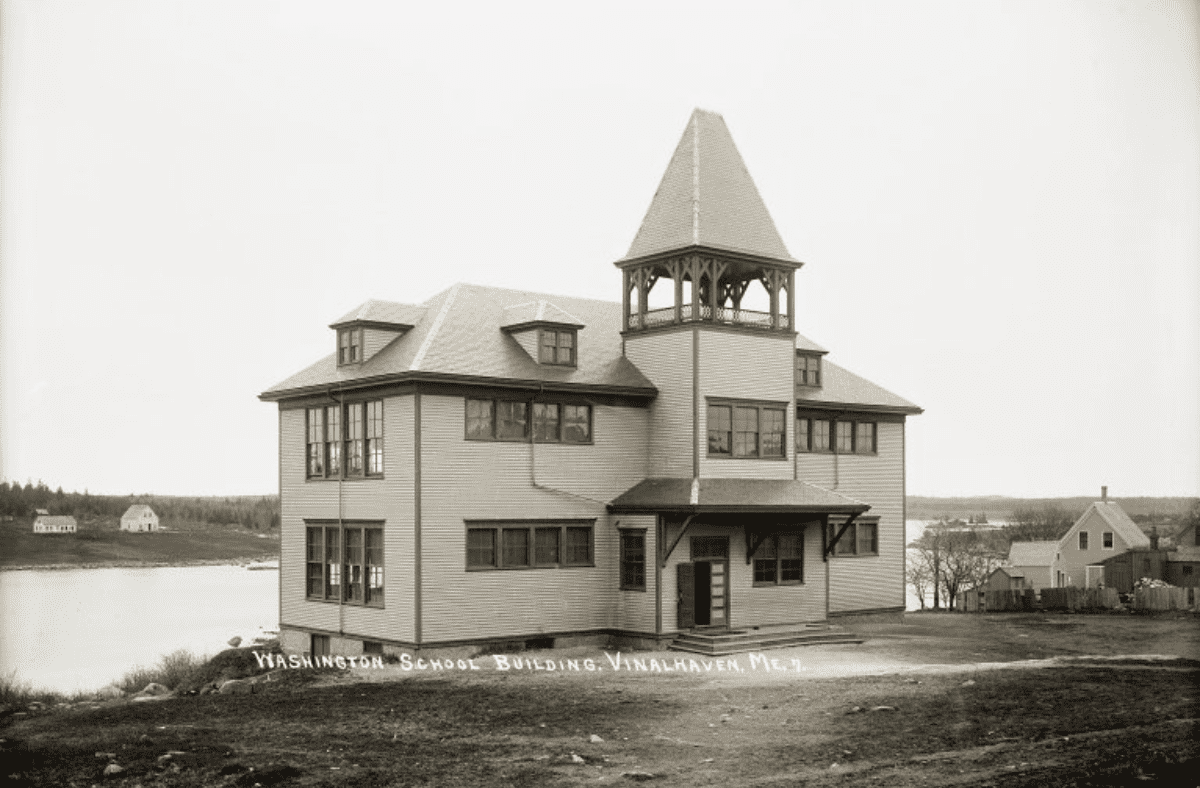
Alta attended Washington School, a four-room institution for students from kindergarten through grade five. The school was built at a cost of $6,600.
From Gorham Normal School to LA Classrooms
Alta graduated from Gorham High School, a public high school located in Gorham, Maine, United States, which houses grades 9–12. She then attended Gorham Normal School, graduating in June 1917.
Gorham Normal School, which later became the University of Southern Maine, was part of the Normal School movement—a system of colleges established to train high school graduates to become teachers, providing women with higher education opportunities funded by tax dollars.
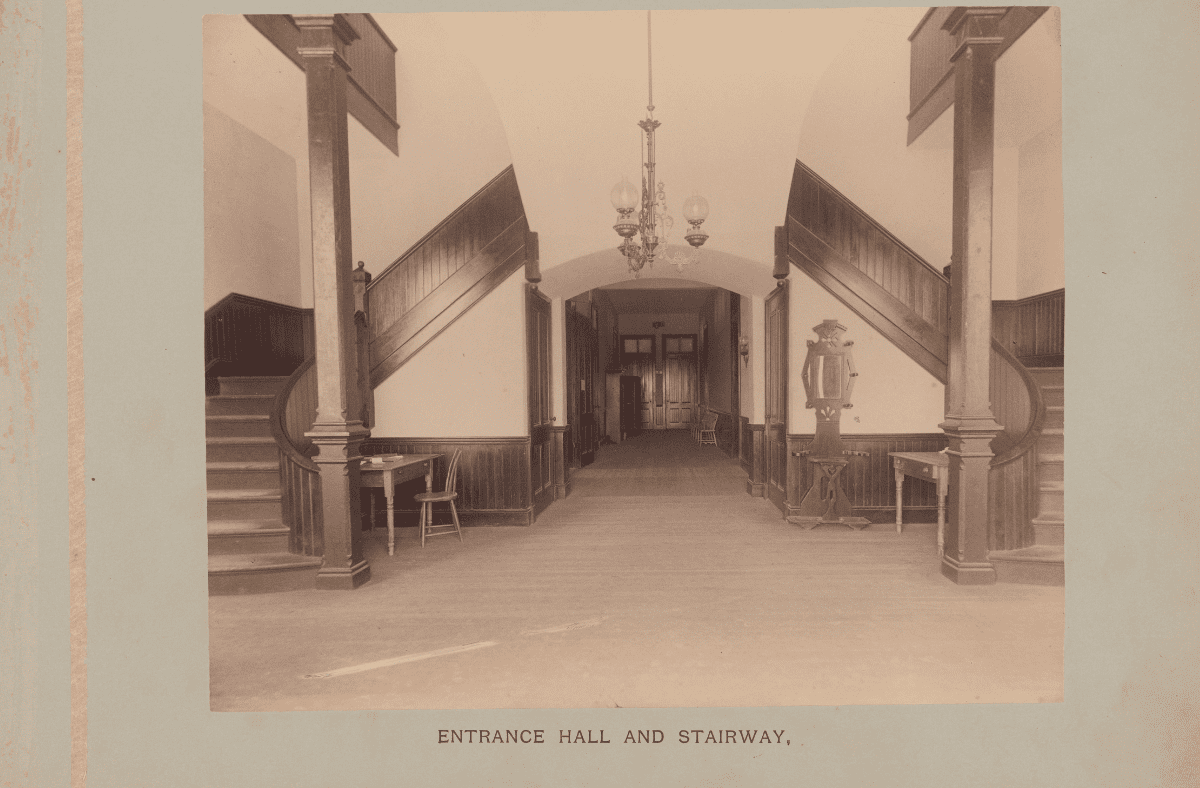
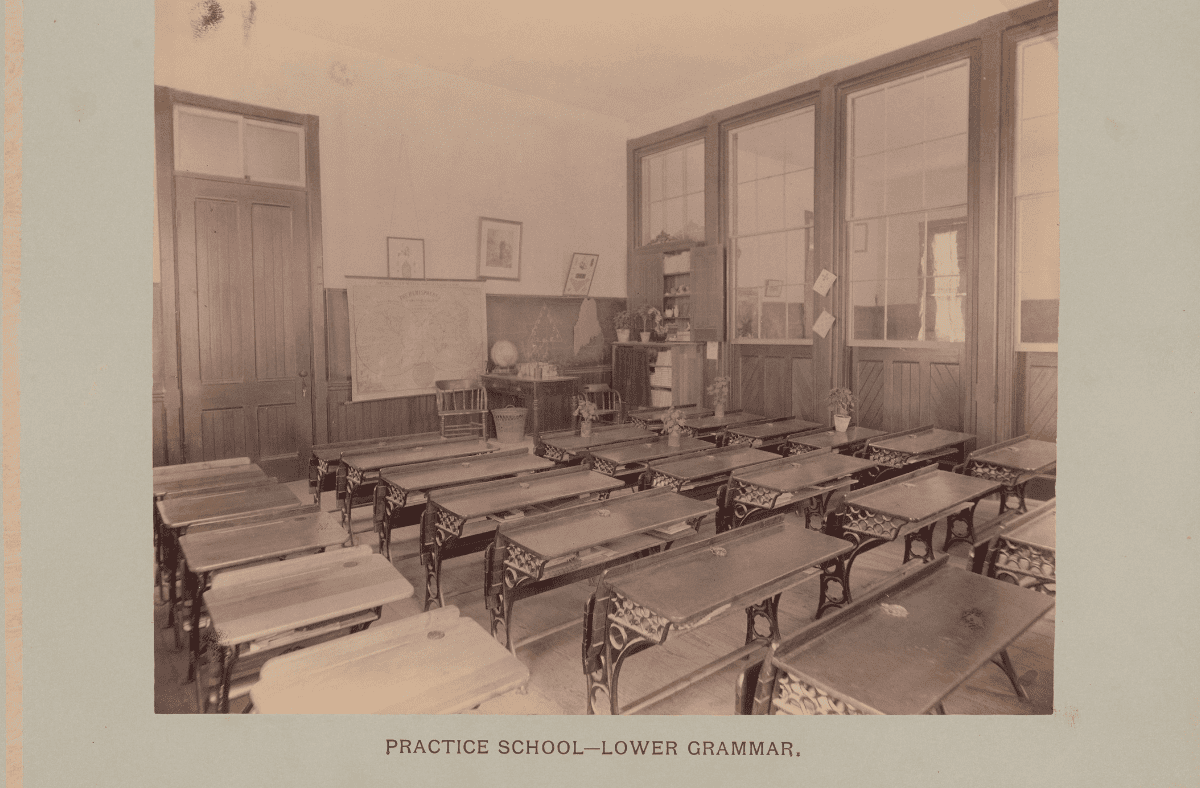
To earn her diploma and teaching degree, Alta completed coursework, observed classes, and taught in a rural South Portland school. She eventually moved to Los Angeles to teach due to the city’s growing need for educators.
Alta Jones Explores Borrego Valley
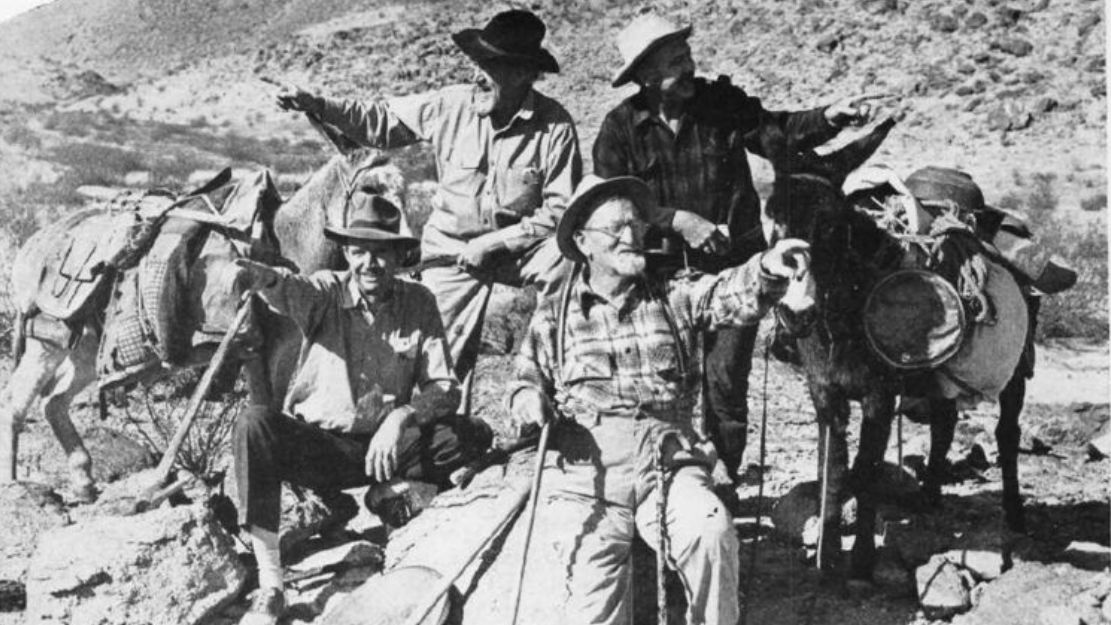
Alta Jones first visited Borego Valley on a Sierra Club field trip, where she explored the desert's unique landscapes and studied the diverse plant and animal life with fellow nature enthusiasts. The Sierra Club, known for its environmental conservation efforts, organized these educational outdoor adventures.
Marriage, Teaching, and Life in Borego Valley
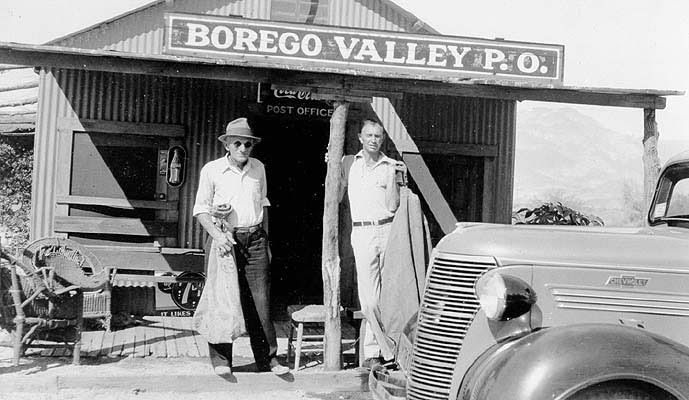
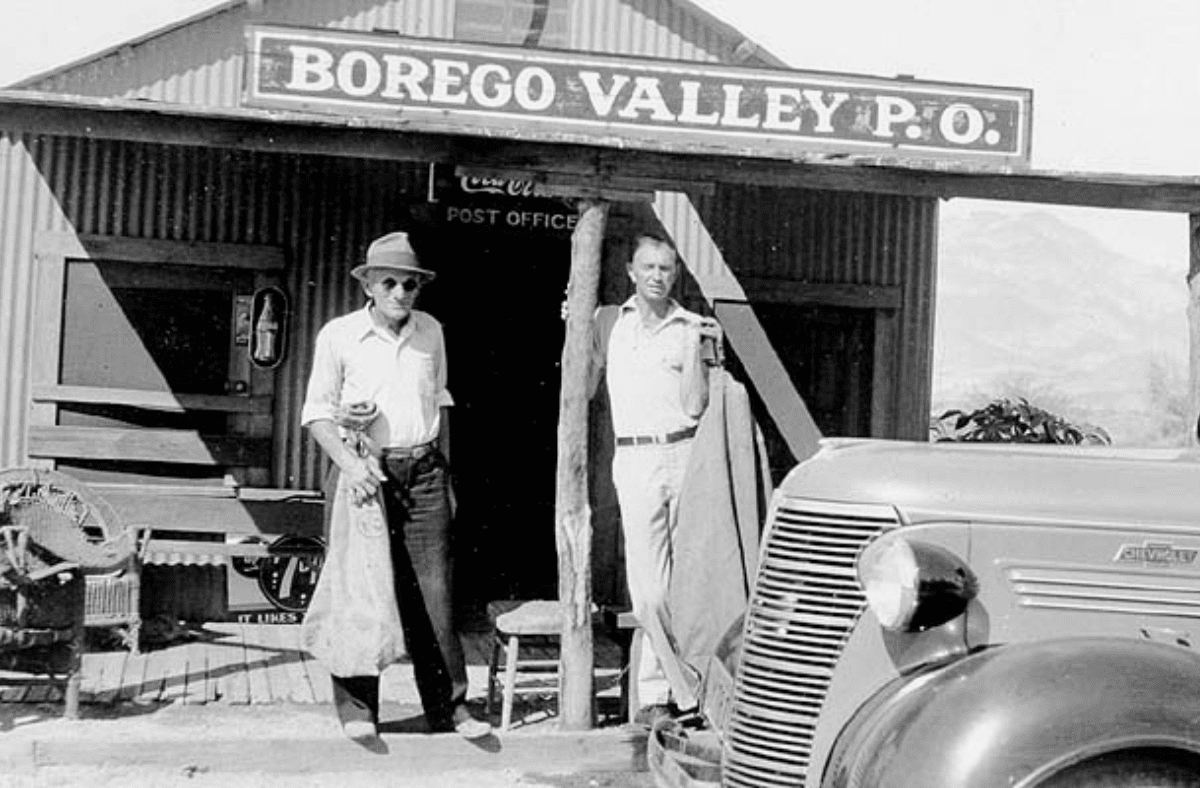
Alta first met Eddie DuVall in the early 1930s, and the two soon formed a lasting bond. They married in the mid-1930s and decided to settle permanently in Borego Valley. Alta continued her career as an educator, teaching at Bret Harte Junior High School in Los Angeles, while Eddie took on managing the family’s store, the local post office, and also served as Deputy Sheriff.
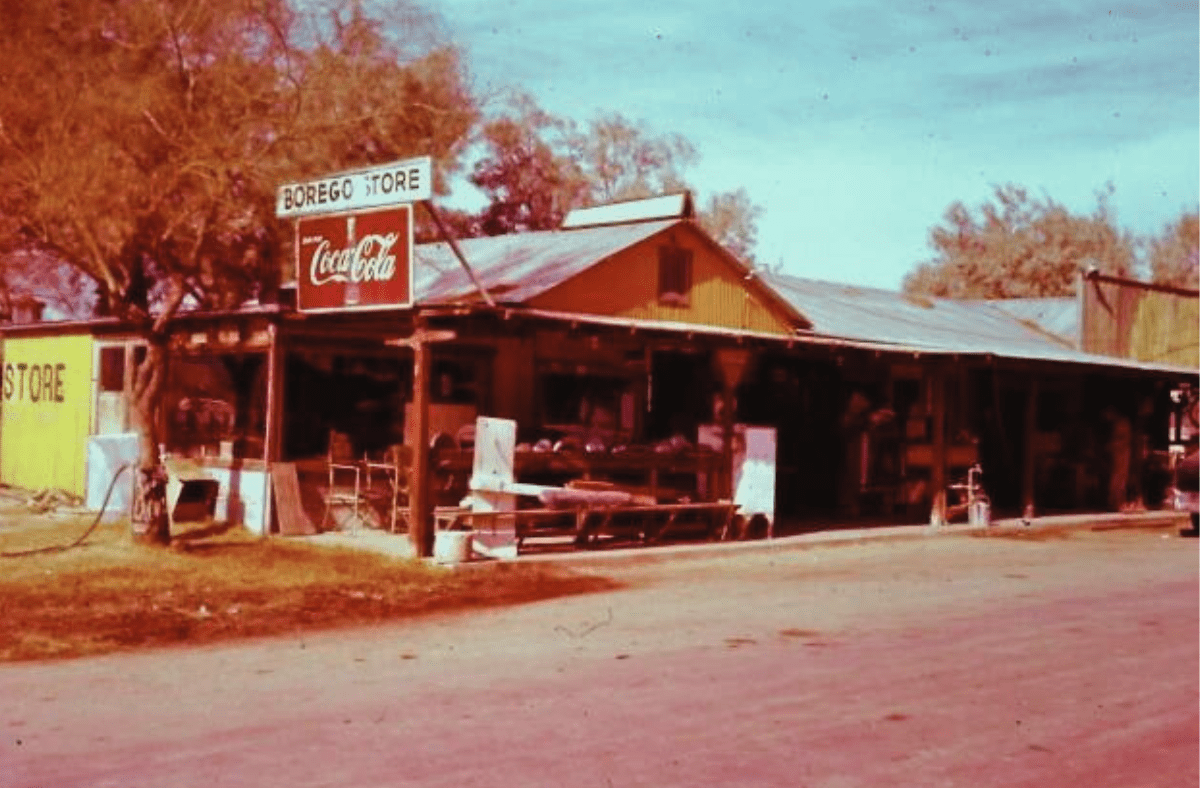
The store in Borego Valley had a significant history. It was initially established by Eslie Wynn in the late 1920s and was later taken over by Glenn and Eddie DuVall in 1934. Eddie took full control of the store in 1936 after Glenn left the valley. The store offered essential groceries and fresh vegetables every Saturday, serving as a vital hub for the community.
In 1939, after experiencing a miscarriage, Alta and Eddie adopted their son Denny, followed by a daughter four years later. Alta's son Denny recalls that she rarely used harsh words and disciplined her children with respect and kindness.
While Alta often taught in Los Angeles, the management of the Borego Store was primarily handled by the men, allowing Alta to focus on her roles as a mother, teacher, and desert adventurer. The store remained an important part of the community until it closed by 1960.
Embracing Adventure in the Desert
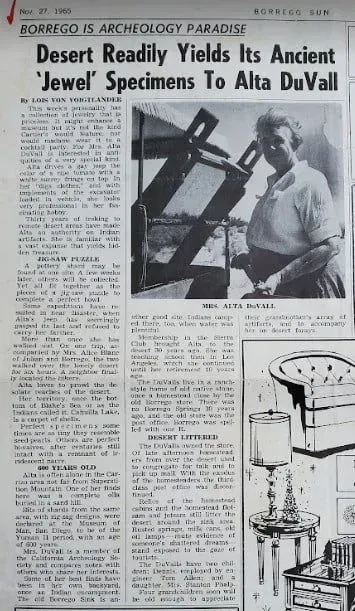
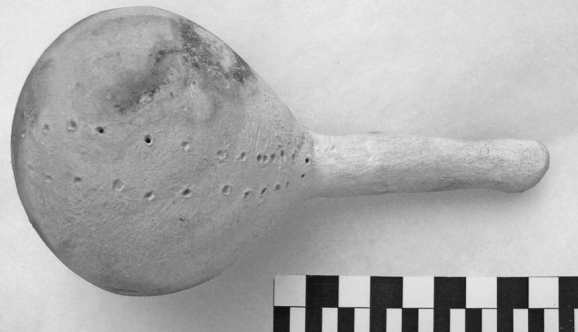
Alta was known for her adventurous spirit, often driving her Jeep Willys 4-cylinder deep into the desert to explore and search for Native American artifacts. Her collection included rare finds such as a small fragmentary rattle, documented by Laylander and Hedges (1992), which was the smallest known example of its kind with a body diameter of only 4.0 cm. This rattle was reportedly found in the southern Anza-Borrego Desert, contributing to her deep understanding of the region's rich archaeological history.
Similar artifacts, such as another rattle in the McCain collection, have also been found in the area, emphasizing the cultural significance of these discoveries. Alta's passion for the archaeology of Borrego Valley and her contributions to documenting these artifacts highlighted the historical depth of the region. For more on the archaeological context, see the document by Fenenga here.

Impact on Borrego Valley
Alta and Eddie DuVall were instrumental in Borego Valley’s growth. Eddie’s store served as a community hub, offering essential groceries. As Deputy Sheriff, Eddie ensured community safety.
Alta dedicated herself to preserving the region’s heritage and exploring the landscape. Her knowledge of the area’s history fostered a connection with Borego Valley’s past.
Historical Context of Borrego Valley
The 1930s and 1940s brought significant changes to Borrego Valley, heavily impacted by the Great Depression and World War II. The military presence during World War II led to infrastructural improvements, including the paving of the Yaqui Pass Road.
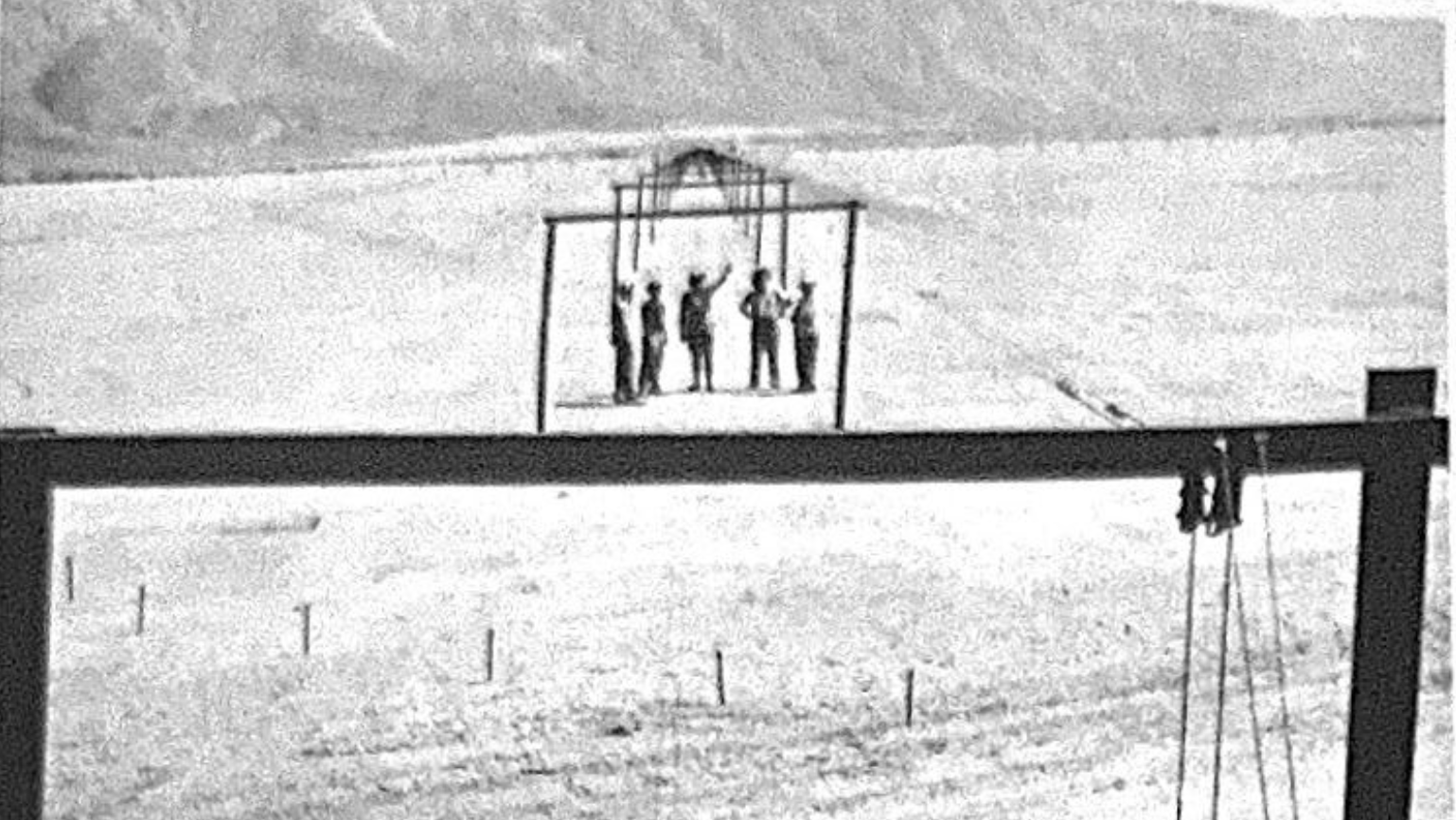
The Borrego Valley Maneuver Area, a US Army Anti-Aircraft Training Center, operated from 1942 to 1944 near Borrego Springs. This military installation significantly impacted local residents, including Alta DuVall, who contributed by feeding service members breakfast.
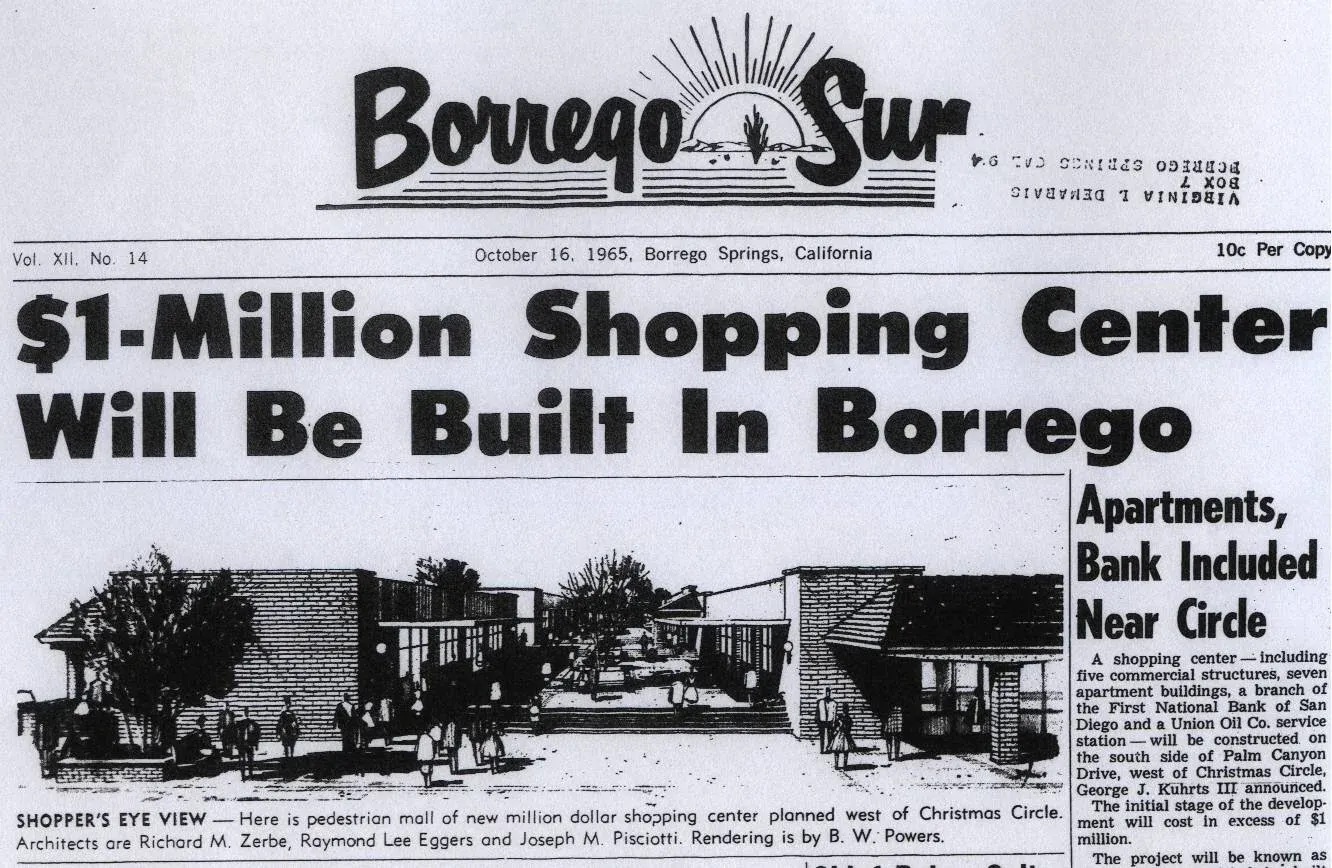
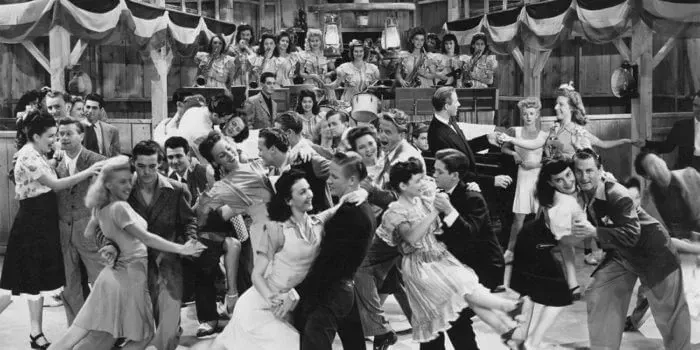
In the post-war years, Borrego Valley experienced a resurgence. Electricity was introduced in 1945, and the community of Borrego Springs was established in 1947, marking the beginning of its transformation into the modern community known today.
Throughout these tumultuous times, Alta and Eddie DuVall remained committed to preserving the historic heart of Borrego Valley while contributing to its development. Their efforts helped lay the foundation for the thriving Borrego Springs that exists today.
That’s My Story and I’m Stickin’ To It: Denny DuVall
Learn More About Borrego Springs