Every year at the start of November we celebrate, on two days, all those women and men who have gone on before us.
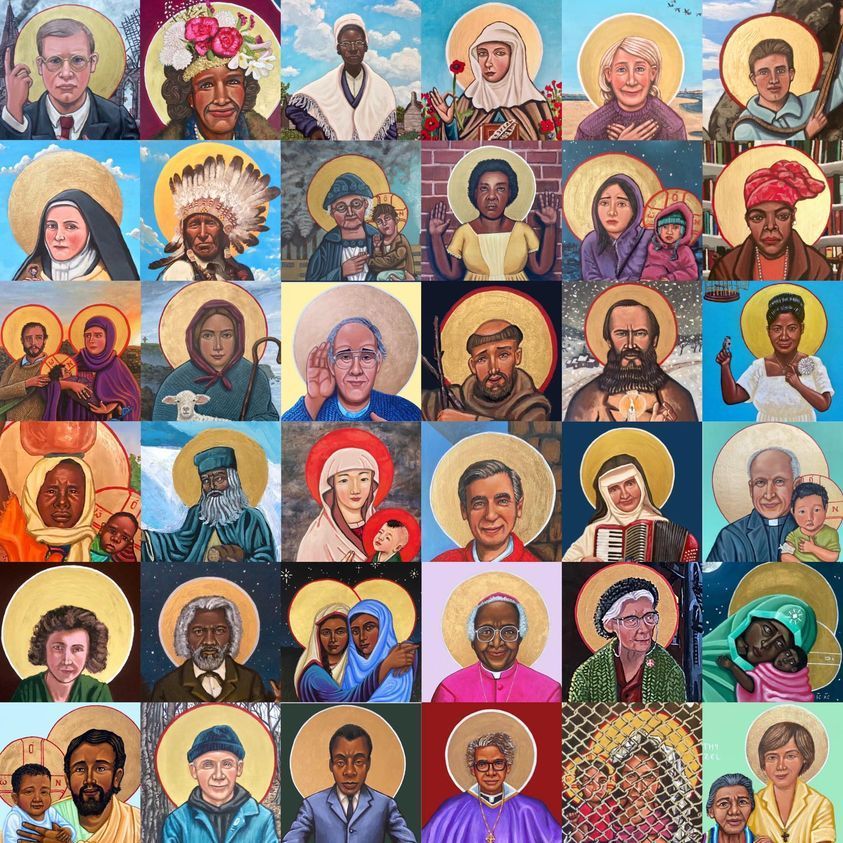
By “saints,” we mean, of course, those recognized as persons of holiness. Jesus’ mother, Mary. Jesus’ father, Joseph. (These three are the center of our Christmas crèches or nativity scenes.)
From here the list goes on and on. There are the followers of Jesus: the twelve called apostles or messengers, such as Peter, James, John, Simon, Philip, Bartholomew, Matthew, another James, Andrew, Thomas, Thaddeus and Judas, replaced by Matthias.
Then there are the too-often-forgotten women disciples: Mary Magdalene, Joanna, Susanna, Mary and Martha, Salome, and two other Marys — one the mother of James and Joseph, another the wife of Clopas. There were other women disciples not named but indicated.
And, of course, Paul, who only becomes a follower and great preacher and letter writer after the resurrection. There are dozens of other names in the New Testament, many co-workers of Paul like Phoebe, Lydia, the married couples Junia and Andronicus, Priscilla and Aquila — seventy or more names in the texts.
Saints Through the Centuries
All through the centuries, beloved priests, bishops and teachers were recognized: Augustine and Ambrose, Justin and Ignatius and Irenaeus, Thecla, Paula and her daughters, and Marcella.
There were many who were killed for their faith, “martyrs” or witnesses like Perpetua and Felicity, Agnes, Lucy, Blandina and Catherine.
All the way down to our time the list winds, to Pastor Dietrich Bonhoeffer and Mother Maria Skobtsova, killed by the Nazis; Archbishop Oscar Romero, gunned down for defending the poor; Dorothy Day, who set up soup kitchens and shelters; and Archbishop Desmond Tutu, who worked for reconciliation in South Africa.
November 1 and 2: Two Days of Remembrance
November 1 has been for centuries the day on which all these women and men are remembered as our sisters and brothers in the communion or community of faith. The Sunday closest to this date is also used to keep this feast.
November 2 is All Souls or Día de los Muertos, when we remember all our relatives, friends, co-workers and neighbors who have passed from this life to life forever with God and the friends of God, the saints.
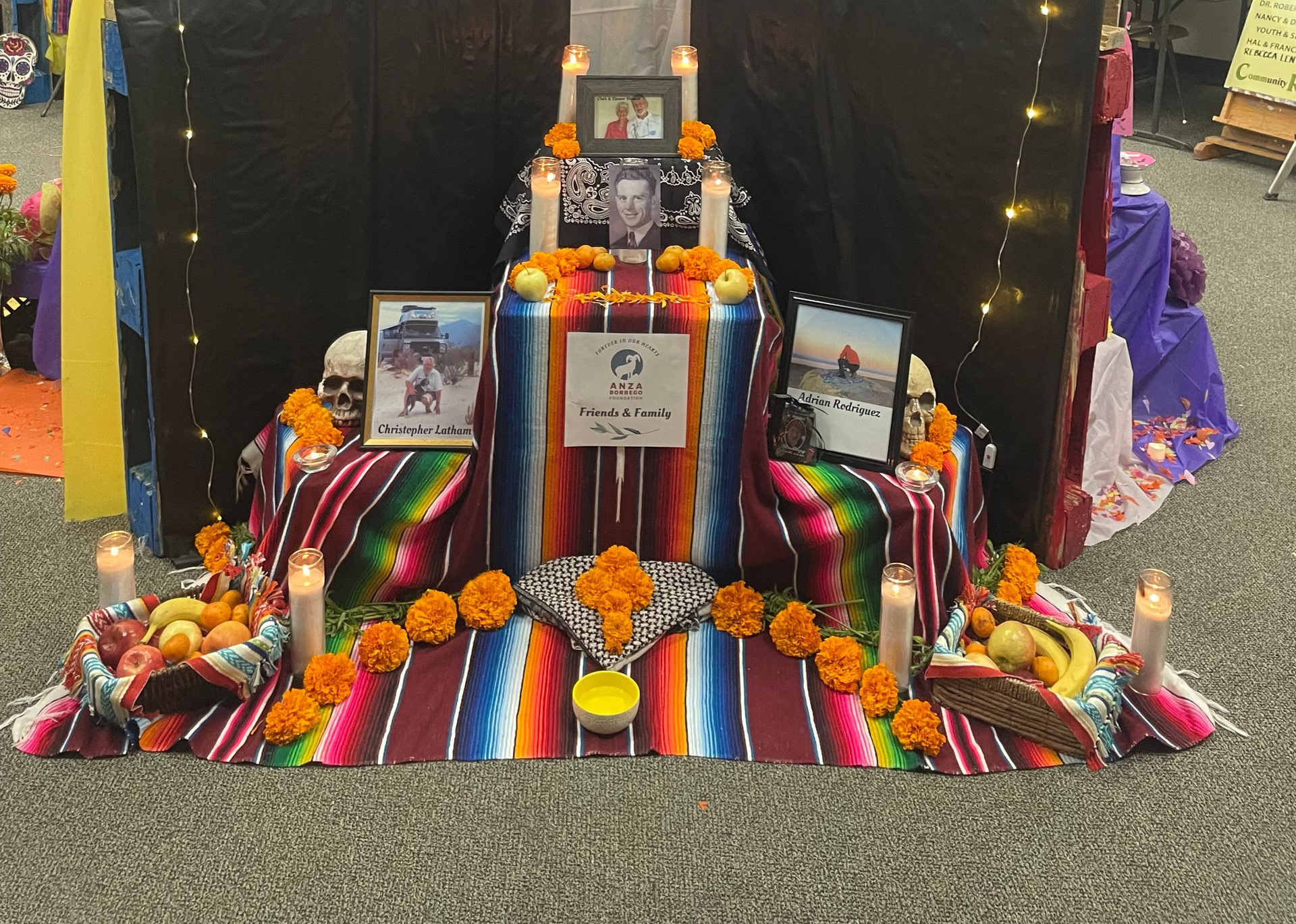
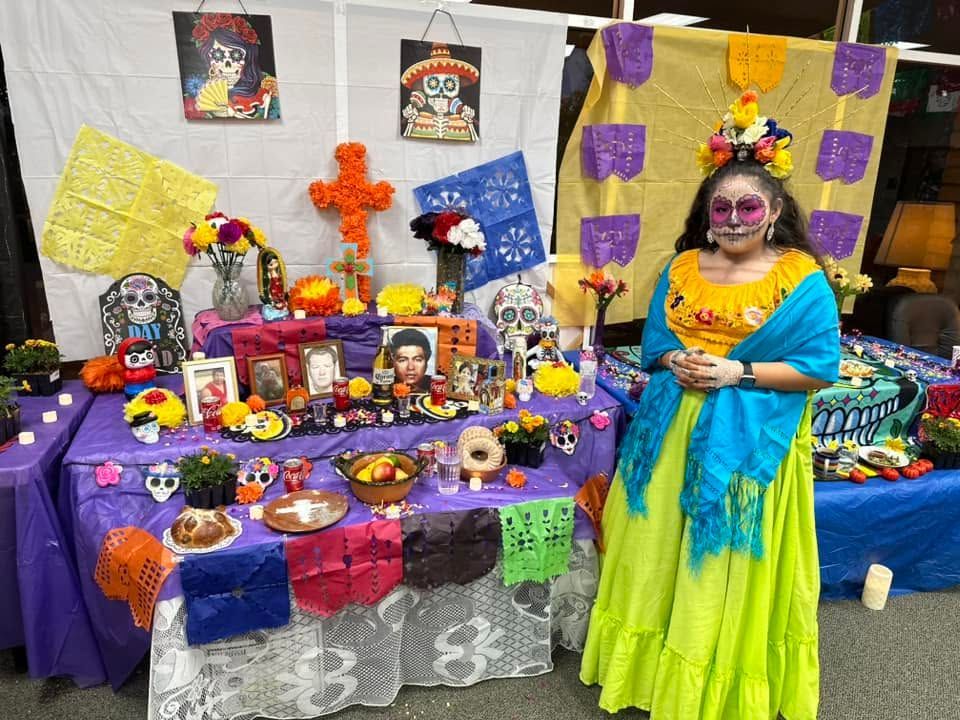
Día de los Muertos can be celebrated for the whole period around November 2, and the home altar or ofrenda has on it photos of the deceased, flowers, candles, paper banners, food, salt, sweets and incense. The different levels of the ofrenda symbolize heaven, earth and the realm of the dead.
A Celebration of Community and Connection
Both holy days lift up what makes us human, namely that we cannot exist without others, without the community of those we love, who raised us, whom we care for, those we never forget even when they leave this life.
This reality of community is treasured and celebrated in all the world’s faith traditions. It is part of the sacrament of Holy Communion, central to the Christian faith. It is acknowledged in the Bible as well as in the Creed, in numerous hymns and prayers.
In the middle of the Sunday service in Christian churches, those present extend to each other hugs, handshakes, greetings of peace and belonging.
The churches here will celebrate all the saints and the loved ones who have died, and you will see an ofrenda at the Resource Center.
These days remind us we are never alone. God is always present with us as well as all of God’s people.